

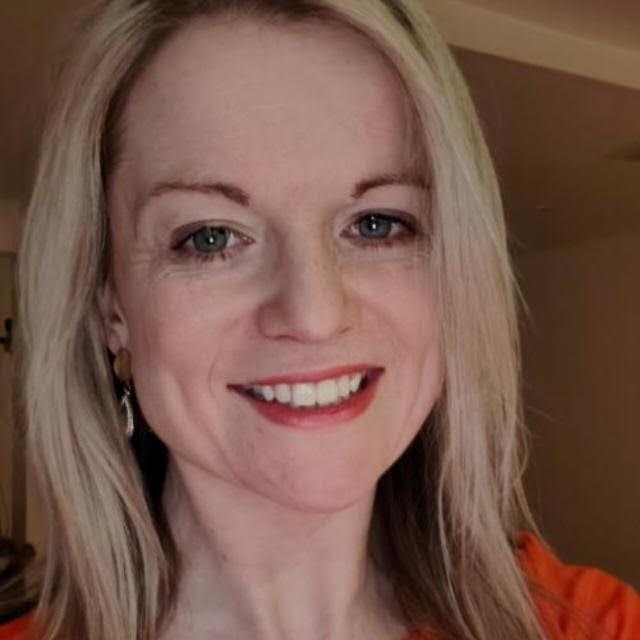

Rania: “Hi Anna, I’m absolutely thrilled to have you here with me today, I am looking forward to diving down the rabbit hole with you. Let’s begin with my first question: how did you first discover the double bass, and what made you stay with it?“
Anna: “It was really by chance. At my school, the nuns were looking for a tall girl to play the double bass in the orchestra, and I happened to fit the description. Honestly, I wanted to play the cello at first, but they put the bass in my hands, and slowly it grew on me. What I discovered was that even though it was big and sometimes awkward and very annoying for my parents to transport, the sound was so rich and grounding. Playing it opened so many doors for me. I was lucky to get opportunities to perform with great orchestras, which eventually led me to study abroad. Through Erasmus, I went to Milan, and that experience was life-changing. I fell in love with the culture, learned Italian, and continued to pursue my master’s in music performance. Later, I went to Switzerland to study under Enrico Fagone at the Conservatory of Lugano. He became not only a brilliant mentor but also a lifelong friend. That sense of community with my peers and the relationships I built around the instrument really cemented my love for it. Looking back, it’s funny how what started almost accidentally became the central thread of my life for so many years.”
Rania: “I love that your connection to the double bass came about by chance. It’s fascinating that you initially wanted to play the cello, especially considering that, historically, women were often discouraged from playing it because it was viewed as a “manly instrument.” It’s interesting that you were instinctively drawn to it. What genres do you most enjoy playing?“
Anna: “When I was younger, I was absolutely devoted to orchestral repertoire, especially opera and choral works. There’s something so powerful about being part of a huge wall of sound, supporting the drama of a Verdi opera or a massive choir. At that time, I was very focused on technique, precision, and fitting into that big collective energy. But as life got busier with work, family, and a lot of volunteer commitments, I found I couldn’t devote the same time to the bass as before. That shifted my focus. Now, when I play, it’s usually music I’ve composed myself. I love the freedom of it. When I’m playing my own music, I don’t feel the pressure of having to serve someone else’s structure perfectly. I can just let go, explore sounds, and allow it to be a somatic, almost meditative experience. It’s a different relationship with the instrument, more personal and intuitive. And it’s refreshing, because as much as I value the discipline of classical music, composing allows me to reconnect with the joy of making sound.”
Rania: I love the idea of letting go and composing solely for yourself. As a musician, that must feel like having your own private language, one that allows you to express yourself in ways words never could. Using music as a meditative form of therapy is so powerful, it has the ability to shift emotions and energy without anything synthetic. I’m curious though, do you prefer performing or teaching?
Anna: “That’s a hard one, because I’ve had beautiful experiences with both. Performing gave me so many opportunities, playing in big concert halls, being part of incredible projects. But teaching has a very different kind of joy, one that’s often even more rewarding. When you work with a beginner, whether it’s a child or an adult, you get to watch them go from having absolutely no knowledge to suddenly being able to play music. It’s like seeing a flower bloom right in front of you. The excitement in their eyes when they play a piece for the first time is contagious. I also think teaching keeps me humble. You’re constantly reminded of how difficult those first steps are, and it reconnects you with the basics that you sometimes take for granted as a professional. Teaching is also about building confidence, helping someone trust their voice, their body, their creativity. For me, that act of empowering others is one of the most meaningful parts of being a musician.”
Rania: “I completely agree. One of the most fulfilling parts of teaching is watching your students grow from lesson one, gradually understanding and embodying what you’re sharing. That humility you mention is essential, it helps students appreciate the challenge and, in turn, fully value their progress. You’ve studied both music and accounting, which world do you prefer, music or business?”
Anna: “Right now, I feel lucky to be in a position where I don’t have to choose. I get to combine both worlds. Working with Copyright Delta has been an incredible experience because it connects me with organisations around the globe that support musicians and ensure they’re paid fairly for their work. That mission feels very close to my heart, because as musicians we often struggle with the financial side of things. In the past, I used to believe maybe as a form of self-protection that if you couldn’t manage in the music industry, you should just get another job. I was really trying to convince myself of that at the time. But over the years, I’ve realised that if you truly love something, there are always ways to work around the challenges. You can create balance. For me, what I love most is problem-solving, creatively looking at systems and finding ways to improve them. That’s where my business side and musical creativity meet. So I don’t see it as music versus business anymore, but rather two sides of the same coin.”
Rania: “That’s such a wonderful perspective, the idea that the two worlds aren’t separate but actually complement each other. It reminds me of organisational behaviour, when you truly love something, you can always find new ways to look at it and evolve. That kind of convergence is the most meaningful form of growth. Speaking of convergence, let’s talk about another layer of your fascinating career, hypnotherapy. What led you to become a hypnotherapist?“
Anna: “It started with my own personal struggle. I had a fear of enclosed spaces, and it was interfering with my life. I tried a hypnotherapy session just one, three hours long and it was life-changing. The shift was immediate, and it was so powerful that I became deeply curious about the process. From there, I trained in hypnotherapy myself, and I’ve been fortunate to help others with issues ranging from smoking to depression. What I love about it is how quickly it can bring results. Sometimes, people spend years in therapy circling a problem, and hypnotherapy can cut straight to the root belief that’s holding them back. To see someone walk out of a session lighter, freer, more hopeful, that’s an incredible gift to be able to share. My own healing became the doorway to helping others, which feels very meaningful.”
Rania: “That makes perfect sense, having personally experienced the kind of transformation hypnotherapy can bring gives you a genuine connection with your clients. Authenticity in therapy is so essential, without it, there’s a wall that prevents real healing. How would you explain the benefits of hypnotherapy to someone who’s completely new to it?”
Anna: “The simplest way I can put it is this: hypnotherapy helps you see that your beliefs shape your reality. If you believe you can’t live without cigarettes, then that becomes your truth. If you believe you’ll always be anxious in certain situations, that belief can end up controlling you. A hypnotherapist works with you to gently dismantle those limiting beliefs and open up the possibility that something else could be true. That shift alone can be transformative. What’s amazing is how quickly it can work, sometimes a deeply rooted problem that’s been there for years can be addressed in just a handful of sessions. It’s not about being made to do something you don’t want to do, it’s about aligning your mind with what you truly want. Once people understand that, they often realise they have far more power to change their lives than they thought.”
Rania: “It’s incredible how the therapeutic process can become a catalyst for change, and how quickly that change can occur once someone gives themselves permission to shift. Do you see a connection between music and hypnotherapy?”
Anna: “Absolutely, though I want to make a clear distinction. What I practice is hypnotherapy which is a serious therapeutic practice, not stage hypnosis. People often confuse the two and feel nervous about hypnotherapy because they imagine being forced to do something against their will. In reality, even in stage shows, people only do what they already want to do. In therapy, it’s about creating a safe space to access a relaxed, open state of mind where change can happen. And music can create something very similar. When you’re immersed in music, especially repetitive rhythms or certain harmonic structures, you can drift into a kind of trance. Both experiences invite you into altered states of consciousness where your awareness shifts and expands. For me, the connection is about openness. Whether through sound or guided focus, both music and hypnotherapy give you the chance to step outside your usual patterns and experience yourself differently.”
Rania: “That trance state you describe feels truly life-affirming for those willing to surrender to it. Openness really is the foundation of transformation. I find hypnotherapy such a fascinating therapeutic modality, have you ever used it to help with stage fright or performance anxiety?”
Anna: “Yes, stage fright was actually a huge challenge for me when I was performing regularly. It was so intense that I messed up some solo performances because of it. At the time, I didn’t realise it was linked to a deeper fear of enclosed spaces, which was really the root of my anxiety. Once I discovered hypnotherapy and worked through those fears, my relationship to performing changed. These days I don’t perform publicly on the bass anymore, so it’s not really an issue. But I do a lot of public speaking in my current role, and interestingly, I feel completely confident doing that. I don’t have the same panic I used to on stage as a musician. It makes me wonder what it would be like to apply hypnotherapy tools directly to performance situations. I think it could be a game-changer for musicians who struggle with anxiety, because I’ve seen how effective it is in other areas.”
Rania: “I completely agree, it could be revolutionary for artists. No one wants to face intense anxiety before performing, it should be a joyful moment. I’ve experienced that kind of pre-performance fear myself, and it’s awful. How has your understanding of the mind influenced your approach to music, or vice versa?“
Anna: “In many ways, it has liberated me. When I was younger, I often approached music with a sense of pressure, to be perfect, to live up to the score, to meet others’ expectations. That created a lot of anxiety and self-doubt. Through hypnotherapy and meditation, I’ve come to trust myself more. I’ve realised that we’re already fine exactly as we are, and the same is true for music. It doesn’t need to be perfect to be meaningful. That shift has been transformative. Now, when I play, I feel freer, more curious, less judgmental of myself. And beyond music, it’s changed how I live. I approach work, relationships, even challenges, with more acceptance and less resistance. I think music taught me about vulnerability, and hypnotherapy gave me the tools to embrace that vulnerability rather than fight it. Together, they’ve allowed me to see creativity and life itself as something to enjoy rather than control.”
Rania: “That level of freedom must feel incredible. Vulnerability can feel like both a risk and a revelation, raw, brave, and beautiful all at once. Protecting that openness while embracing it is such an art form. What advice would you give to musicians who are struggling with burnout or anxiety?”
Anna: “The first thing I’d say is that you’re not alone, so many musicians go through this. Burnout and anxiety can feel overwhelming, but they’re often not about music itself. Very often, the root goes back to something earlier in life, maybe even a single incident in childhood that created a belief about yourself. That’s where hypnotherapy can be incredibly powerful. Instead of years of talking through problems, hypnotherapy can get right to that core moment and help reframe it. I’ve seen musicians release decades of tension in just a few sessions. It doesn’t mean life becomes perfect overnight, but it gives you space to breathe again. On a lighter note, I always mention Emile Coué, a French hypnotherapist whose mantra, ‘Every day, in every way, I am getting better and better,’ was even used by the Beatles in their song Getting Better. His work shows how simple, positive suggestions can reshape the mind. For musicians, even adopting something small like that can be surprisingly powerful.”
Rania: “Releasing decades of tension sounds absolutely transformative. It must do wonders for one’s clarity, focus, and overall well-being. It reminds me of that quote by L. M. Montgomery about moving from the depths of despair to hope. What’s one lesson music has taught you that helps in hypnotherapy, and vice versa?”
Anna: “Music was the mirror that showed me my greatest struggles, anxiety, perfectionism, low self-worth. Standing on stage with an instrument in your hands can feel like the most vulnerable place in the world. I had to face those feelings head-on, and it wasn’t always easy. But that experience gave me empathy. It helped me understand that everyone carries fears and insecurities, even if they look confident on the outside. In hypnotherapy, that empathy is crucial, because people come to you with their deepest pain. I know what it feels like to be stuck in your own mind, and that helps me guide others through it. On the flip side, hypnotherapy has taught me to let go of control, to trust the process, and to see myself more compassionately. That perspective feeds back into how I approach music, not as a test of perfection, but as an expression of being human.”
Rania: “I love that you describe music as a mirror, it truly reflects our innermost selves and enhances our quality of life. So many people get trapped chasing perfection, forgetting that imperfection is where the soul lives. Now, for my final question, if you had a superpower, what would it be?”
Anna: “I think my superpower would be helping people realise they don’t need anything outside of themselves. We spend so much time looking for the next thing, success, approval, material comfort thinking it will make us feel complete. But the truth is, everything we need is already within us. Hypnotherapy, zen practice, music, they’ve all shown me that in different ways. If I could give people just one thing, it would be that sense of inner wholeness. Imagine how freeing it would be if everyone knew they were already enough, exactly as they are. I think it would transform not only individual lives but also how we treat each other. So yes, if I could wave a magic wand, that’s the power I’d choose: to help people see that nothing external defines them, because they already have everything they need inside.”
For more information on Anna please check out this link!
 Data Girl's Rabbit Hole
Leave a comment